

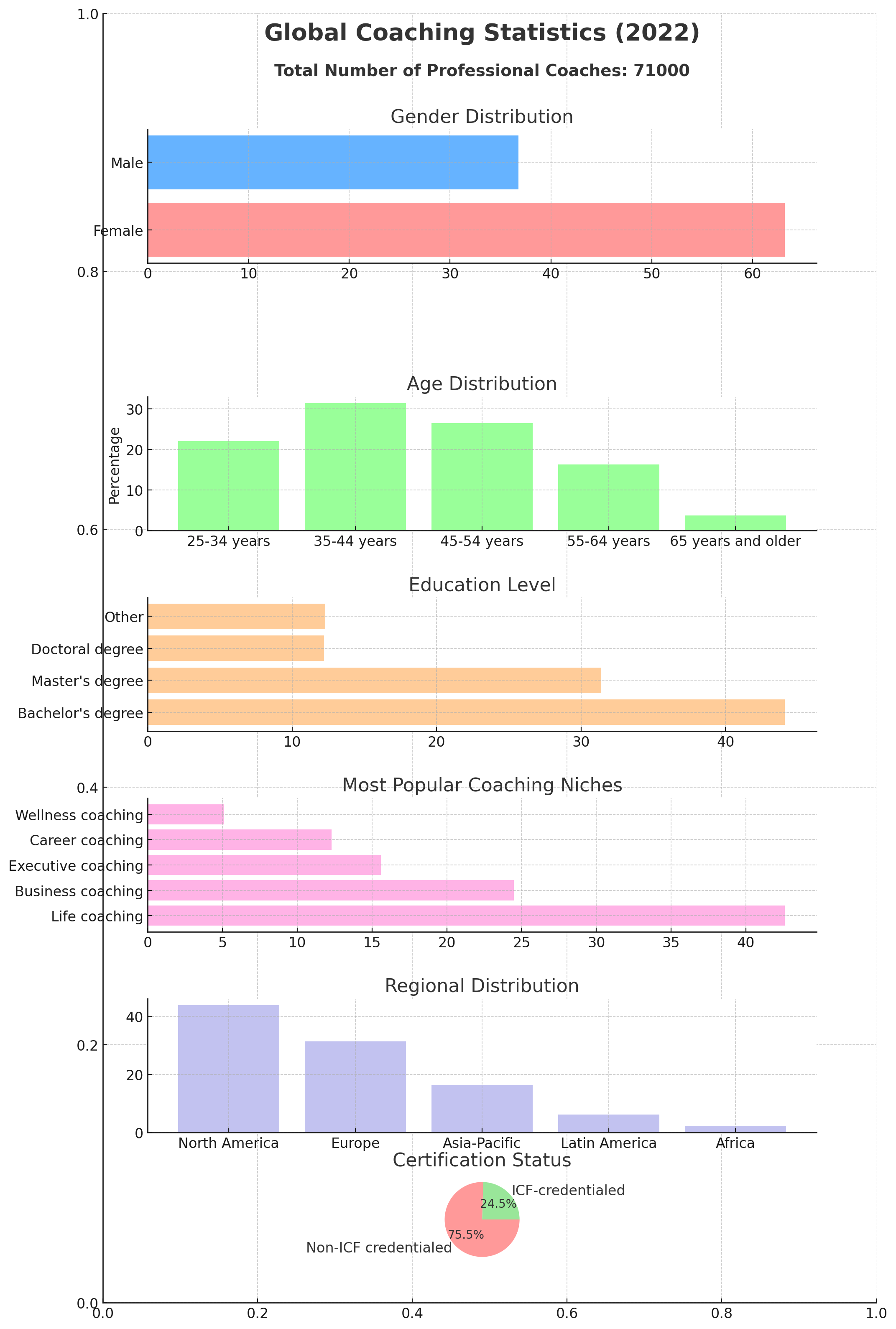
Global Coaching Report 2022
1. Executive Summary
2. Demographic Analysis
Gender Distribution

Traditional Leadership vs. Collaborative Leadership
In the evolving landscape of modern business, the debate between traditional leadership and collaborative leadership has gained significant traction. Each leadership style has its distinct characteristics, strengths, and weaknesses, which influence organizational culture, employee engagement, and overall productivity.
Traditional Leadership is often characterized by a hierarchical structure where decisions flow from the top down. This style emphasizes control, authority, and a clear chain of command. Leaders in traditional settings are typically viewed as the primary decision-makers, setting objectives and expecting subordinates to follow directives with minimal input. This approach can be highly...
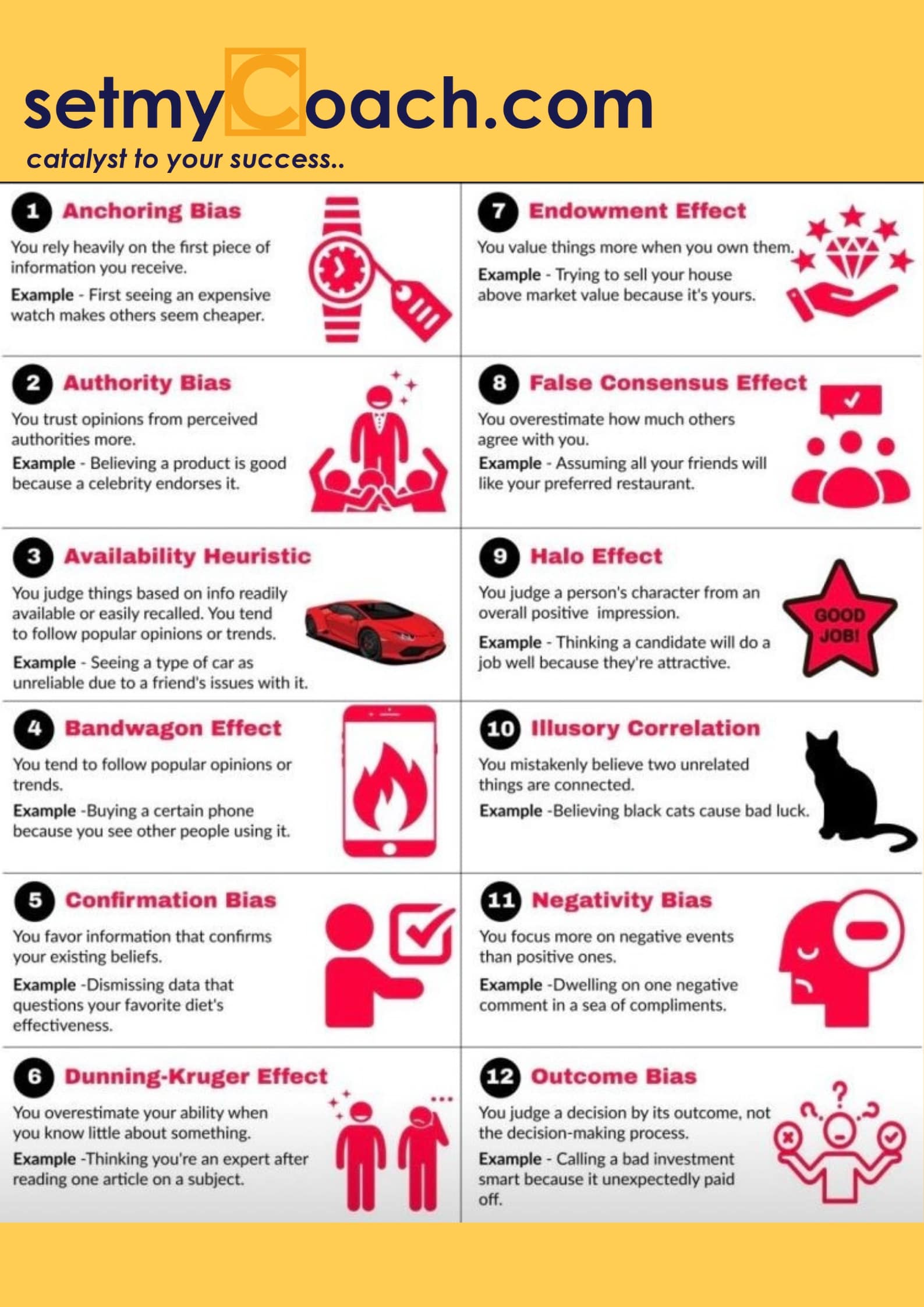
Biases significantly impact our decision-making by distorting our perception of reality and leading us to make judgments based on preconceived notions rather than objective facts. These cognitive biases can manifest in various forms, such as confirmation bias, where individuals favour information that confirms their existing beliefs, or availability bias, where decisions are influenced by recent or easily recalled events. For leaders, the stakes are even higher, as their decisions affect not only their own outcomes but also those of their teams and organizations. Biased decisions can lead to suboptimal strategies, perpetuate inequities, and stifle innovation. It becomes crucial for leaders to recognize and mitigate their biases to ensure fair and effective decision-making. They can achieve this by actively seeking diverse perspectives, fostering an inclusive environment where different viewpoints are valued, and implement...
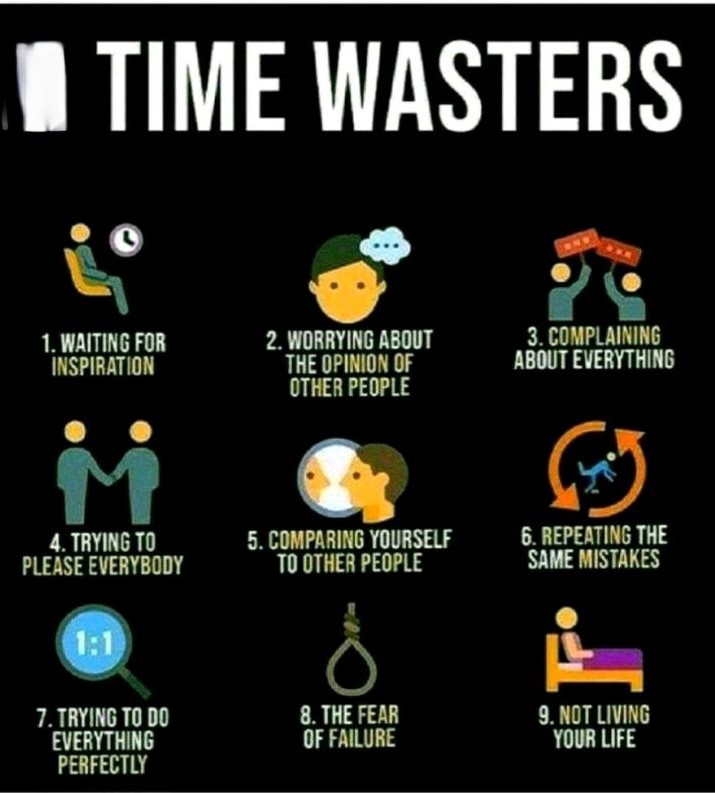
To avoid common time wasters, set clear goals and prioritize tasks, focusing on one at a time while eliminating distractions. Limit social media use by setting specific times and following only valuable accounts. Streamline meetings by having clear agendas and inviting only necessary participants. Manage email overload by scheduling email times, using filters, and unsubscribing from unnecessary emails. Avoid perfectionism by setting realistic standards and delegating tasks when possible. Lastly, plan your day with to-do lists, use planning tools, and regularly review and adjust your schedule to stay on track.
...
1. Leadership and Management Skills
Effective Team Management: Strategies for leading diverse and remote teams.
Emotional Intelligence: Enhancing self-awareness, empathy, and interpersonal skills.
Conflict Resolution: Techniques for managing and resolving workplace conflicts.
2. Career Development and Advancement
Networking: Building and leveraging professional networks.
Personal Branding: Developing a strong personal brand within the organization and industry.
Mentorship: Finding mentors and becoming a mentor to others.
3. Work-Life Balance and Well-being
Stress Management: Techniques for managing stress and preventing burnout.
Mindfulness and Mental Health: Incorporating mindfulness practices to imp...
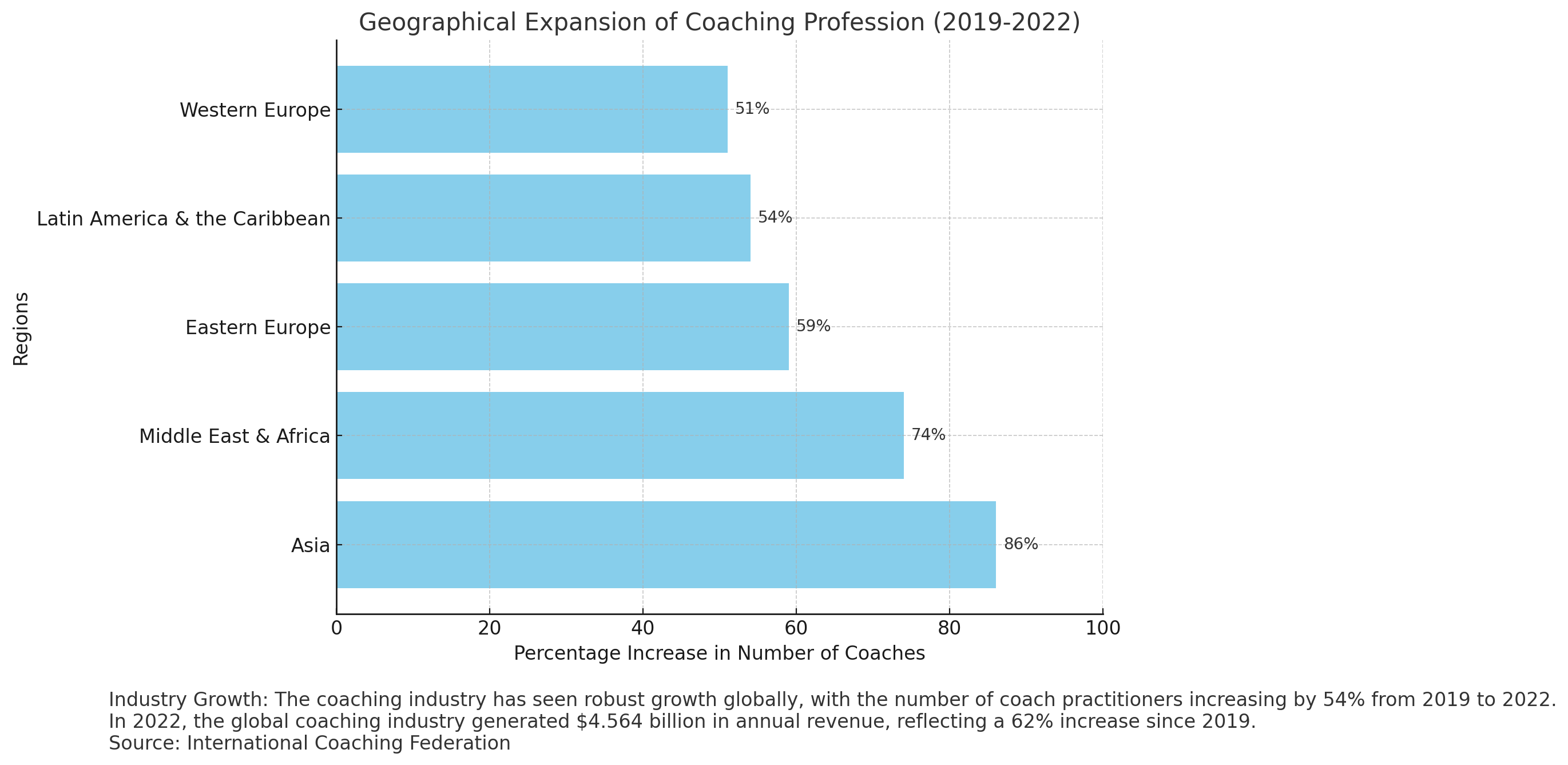
Here is the graphical representation of the global trends in coaching, illustrating the geographical expansion and industry growth based on data from the International Coaching Federation. The chart shows significant increases in the number of coaches across various regions from 2019 to 2022.
Industry Growth:
Geographical Expansion:

1. Team Building Activities:
2. Wellness Programs:
Recognition Initiatives:
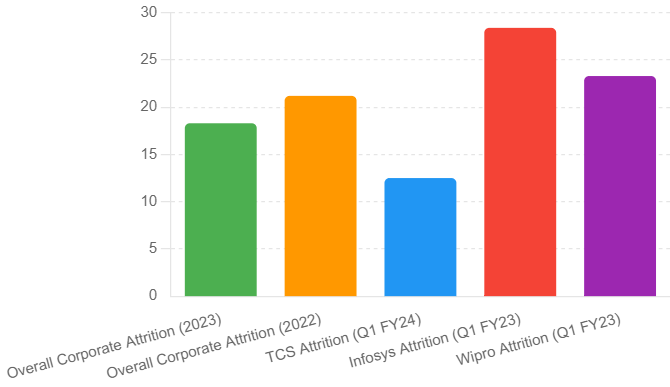
As of 2024, the attrition rates in the Indian corporate sector show some improvement compared to previous years. In 2023, the overall attrition rate in India was 18.3%, a decrease from 21.2% in 2022. This trend is expected to continue as companies focus on cost management and employee well-being to stabilize their workforce amidst high talent demand.
In the IT sector, which has historically faced high attrition rates, there has been notable improvement. For instance, Tata Consultancy Services (TCS) reported a drop in its attrition rate to 12.5% by the end of Q1 FY24, down from 13.1% in the previous quarter. Similarly, Infosys and Wipro have also seen a reduction in their attrition rates, although they remain relatively high at 28.4% and 23.3%, respectively.
Factors contribut...

Executive coaching can be immensely beneficial for corporate leaders by enhancing their leadership capabilities, improving their strategic thinking, and helping them achieve both personal and organizational goals. Here is a detailed look at how executive coaching can support corporate leaders:
1. Leadership Development
Self-Awareness: Coaching helps leaders gain a deeper understanding of their strengths, weaknesses, and leadership style, fostering self-awareness and personal growth.
Enhanced Communication: It improves leaders' communication skills, making them more effective in conveying their vision, motivating their team, and managing conflicts.
Emotional Intelligence: ...
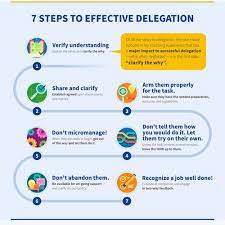
The Strategic Imperative of Delegation for Executives
In the demanding roles that executives occupy, the ability to delegate effectively is not just a managerial skill—it is a strategic imperative. Delegation empowers teams, enhances organizational efficiency, and contributes significantly to business success. Here are several key reasons why delegation is crucial for executives:
1. Enhances Efficiency and Time Management
Executives face a myriad of tasks that require their attention, but not all these tasks necessitate executive-level intervention. By delegating routine or operational tasks, executives can free up their time to focus on strategic planning, decision making, and other high-impact activities that truly require their expertise.
2. Drives Employee D...
The Value of Coaching for Executive Success
In the fast-paced and high-stakes environments that executives navigate, the role of a coach can be pivotal to both personal and organizational success. Coaching offers a range of benefits that support executives in enhancing their leadership skills, achieving strategic objectives, and maintaining their well-being amid challenges. Here’s why coaching is an indispensable asset for executives:
1. Enhanced Leadership Skills
A coach helps executives refine their leadership abilities, from improving communication and decision-making skills to fostering emotional intelligence. Through personalized feedback and guidance, executives ca...
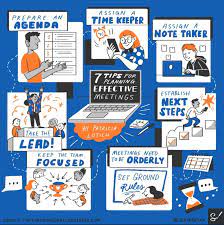
Here are some tips for corporate leaders to run effective meetings:
1. Define the Purpose and Agenda
Before scheduling a meeting, clearly define its purpose. What do you hope to achieve? Once the purpose is established, create a focused agenda. Distribute this agenda to all participants in advance so they can prepare appropriately, ensuring a more structured and efficient discussion.
2. Be Selective with Invitations
Only invite participants who need to be there. Consider who is essential for the topics on the agenda and who can contribute meaningfully to the meeting's objectives. This reduces time wast...
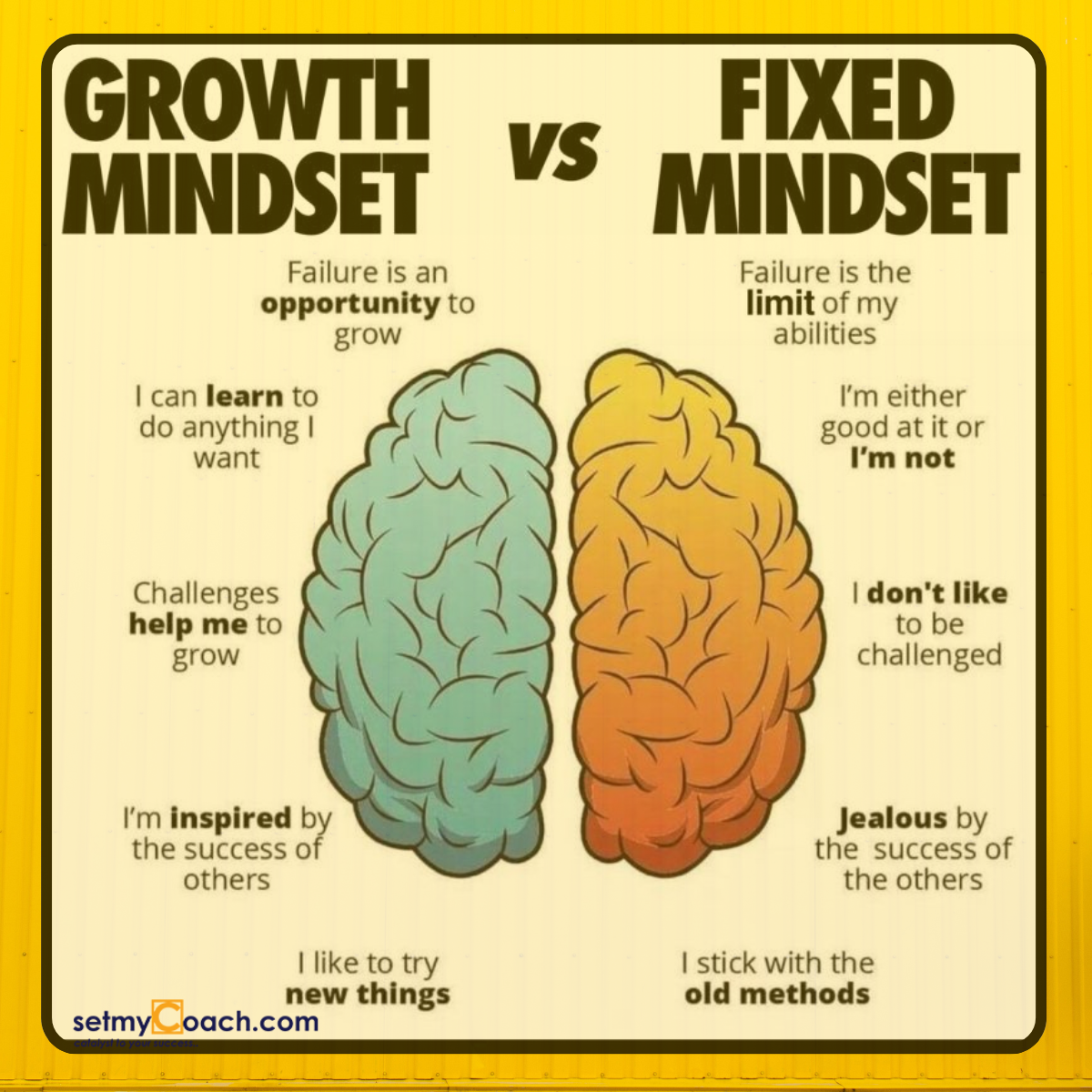
The concepts of "Fixed Mindset" and "Growth Mindset" were developed by psychologist Carol Dweck in her research on achievement and success.
Which one is better?
While a fixed mindset can lead to a plateau and hinder personal growth, cultivating a growth mindset can lead to an enriching journey of continuous learning and self-improvement. By embracing a growth mindset, individuals are better positioned to realize their potential, tackle challenges head-on, and foster a lifelong journey of growth and development.
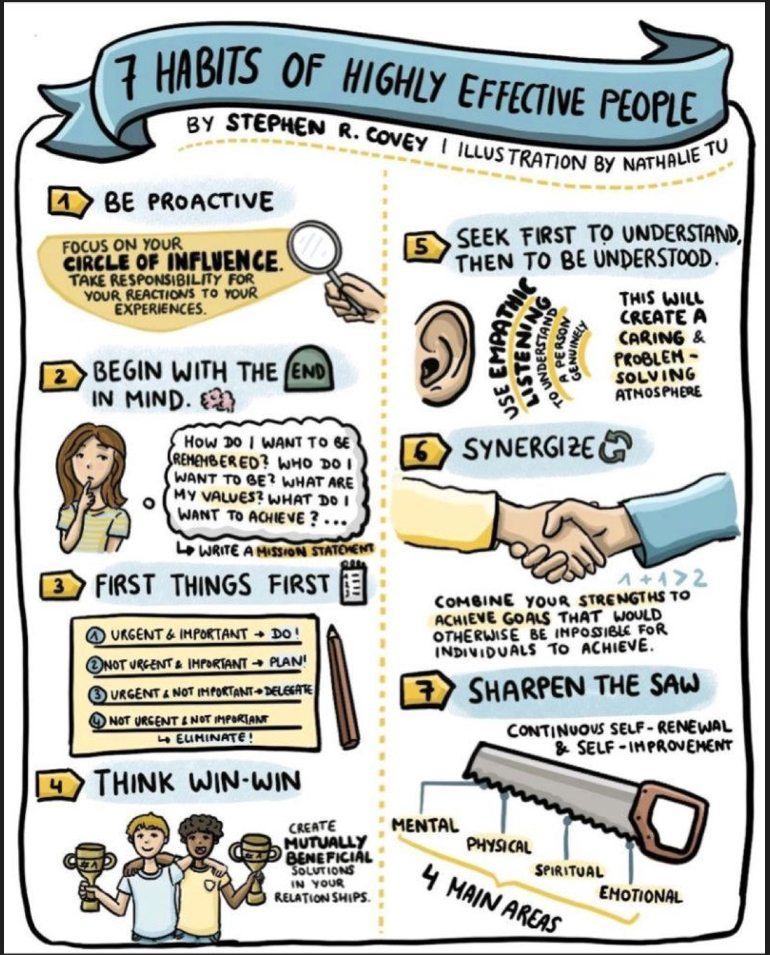
The 7 Habits of Highly Effective People by Stephen R. Covey
Stephen R. Covey's The 7 Habits of Highly Effective People is a seminal work in the field of personal development and leadership. First published in 1989, it continues to be a bestseller, offering a principle-centered approach to solving personal and professional problems. Covey presents a holistic, integrated, principle-centered approach to living with fairness, integrity, service, and human dignity—principles that give us the security to adapt to change and the wisdom and power to take advantage of the opportunities that change creates.
Overview of the Seven Habits


