
By Admin
Leadership Coach
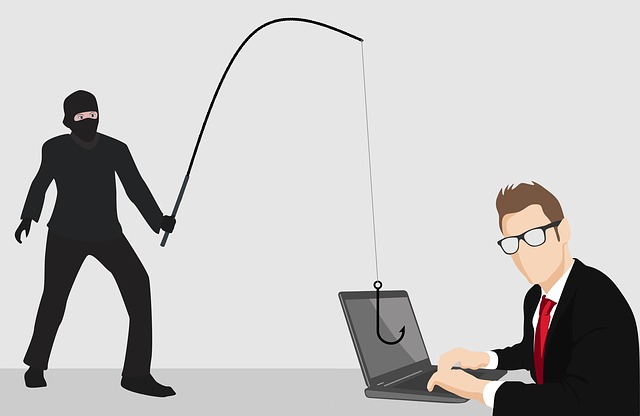
In today's digital age, cybersecurity has become a critical concern for all organizations. With the ever-increasing reliance on technology and the internet, cyber threats have become more sophisticated, frequent, and destructive. The consequences of a cyber-attack can be devastating for an organization, ranging from financial loss to reputational damage, and even legal repercussions. In this article, we will discuss why cybersecurity is important for an organization.
Protection of sensitive data: Every organization, irrespective of its size or industry, stores, and processes sensitive data such as employee records, financial information, customer data, and intellectual property. Cybersecurity ensures that this data is protected against unauthorized access, theft, and manipulation. A cyber-attack can lead to a data breach, exposing this sensitive information to malicious actors, and resulting in reputational damage, loss of customer trust, and legal consequences.
Compliance with regulatory requirements: Many organizations are subject to regulatory requirements, which mandate the protection of sensitive data. Failure to comply with these regulations can result in hefty fines and legal action. Cybersecurity measures such as encryption, access controls, and vulnerability management help organizations meet these regulatory requirements.
Protection against cyber-attacks: Cyber-attacks such as phishing, malware, ransomware, and social engineering are becoming more sophisticated and difficult to detect. A successful cyber-attack can lead to financial loss, disruption of operations, and reputational damage. Cybersecurity measures such as firewalls, antivirus software, intrusion detection and prevention systems, and employee awareness training can help prevent and mitigate the impact of cyber-attacks.
Maintaining business continuity: A cyber-attack can disrupt business operations, resulting in loss of productivity, revenue, and customer trust. Cybersecurity measures such as backup and recovery systems, disaster recovery planning, and business continuity management help organizations maintain the continuity of operations and minimize the impact of a cyber-attack.
Protection of reputation: An organization's reputation is its most valuable asset. A cyber-attack can result in negative publicity, loss of customer trust, and damage to the organization's brand. Cybersecurity measures such as incident response planning, communication protocols, and crisis management planning can help organizations respond quickly and effectively to a cyber-attack and minimize the impact on their reputation.
So, Organizations should invest in cybersecurity measures to not only protect the organization but also to help build customer trust and enhance the organization's reputation in the marketplace.
Also, by investing in cybersecurity measures, leaders can demonstrate their commitment to protecting the organization's assets and maintaining the trust of their stakeholders.
Now, how can employees help in maintaining the cyber security of an organization?
Employees play a critical role in maintaining the cybersecurity of an organization. They are often the first line of defense against cyber threats, and their actions can have a significant impact on the organization's cybersecurity posture. Here are some ways employees can help in maintaining the cybersecurity of an organization:
Awareness and training: Employees should be trained on basic cybersecurity practices, such as creating strong passwords, identifying phishing emails, and avoiding suspicious websites. They should also be made aware of the consequences of a cyber attack and the importance of maintaining cybersecurity.
Reporting suspicious activities: Employees should be encouraged to report any suspicious activities or security incidents to the appropriate authorities. This could include reporting phishing emails, malware infections, or any other suspicious activity that could potentially compromise the organization's cybersecurity.
Access control: Employees should be granted access to only the systems and data that they need to perform their job functions. This helps to prevent unauthorized access to sensitive information and reduces the risk of a data breach.
Updating software and devices: Employees should keep their software and devices up to date with the latest security patches and updates. This helps to prevent vulnerabilities that could be exploited by cyber attackers.
Physical security: Employees should be mindful of physical security, such as ensuring that their devices are secure when they are away from their workstations and not leaving sensitive documents unattended.
Password management: Employees should be encouraged to use strong passwords and to change them regularly. They should also avoid using the same password across multiple accounts.
Two-factor authentication: Employees should be encouraged to use two-factor authentication, which adds an extra layer of security to their accounts.
So, employees do play a critical role in maintaining the cybersecurity of an organization.
What are the three big steps that a leader should take to maintain cyber security?
Maintaining cybersecurity is a critical responsibility for leaders in any organization. Here are three big steps that leaders can take to maintain cybersecurity:
Develop a Cybersecurity Strategy: The first step in maintaining cybersecurity is to develop a comprehensive cybersecurity strategy. This strategy should include policies and procedures for protecting sensitive information, preventing cyber attacks, and responding to security incidents. The strategy should also identify the roles and responsibilities of different individuals and departments within the organization for implementing and maintaining cybersecurity measures.
Educate Employees: The second step in maintaining cybersecurity is to educate employees about cybersecurity best practices. This includes training employees on how to recognize and respond to phishing emails, how to create strong passwords, and how to avoid downloading malicious software. It is also important to educate employees on the importance of reporting security incidents and following cybersecurity policies and procedures.
Regularly Review and Update Security Measures: The third step in maintaining cybersecurity is to regularly review and update security measures. This includes conducting regular security audits, updating software and hardware, and monitoring network traffic for signs of unusual activity. It is also important to regularly review and update cybersecurity policies and procedures to ensure they remain effective and up-to-date with the latest threats and best practices.
Maintaining cybersecurity requires a comprehensive approach and leaders must prioritize cybersecurity as a critical aspect of their organization's operations and take proactive steps to protect sensitive information and prevent cyber-attacks.
As a leader, have you mitigated the threats of cyber-attack in your organisation?

How Coaching Empowers Young Leaders to Navigate Corporate Challenges Without Getting Overwhelmed The modern corporate landscape has never been more demanding for young leaders. As millennials and G...


