By Khyati Shah
Transformation Coach coach
Transformation Coach
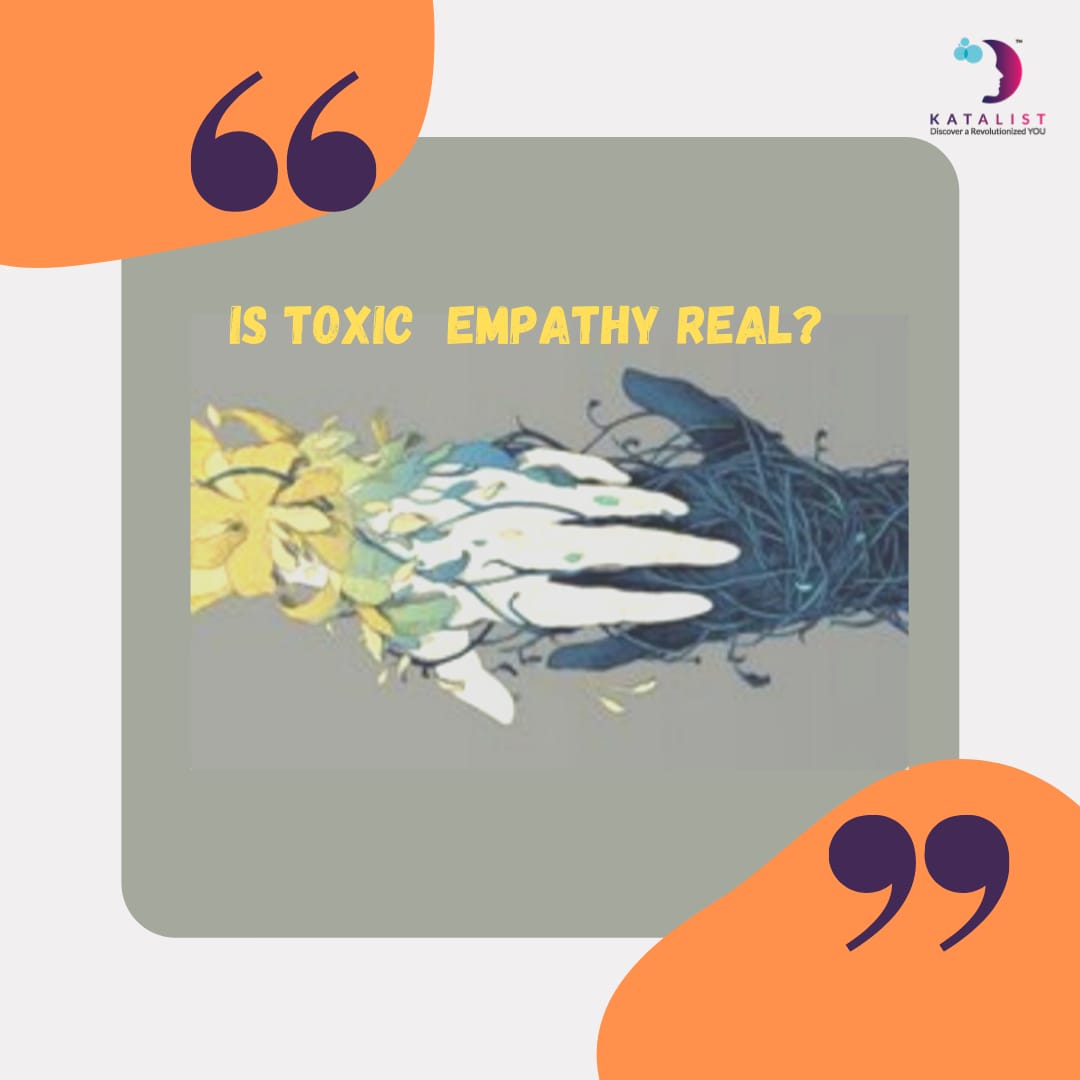
I am a big proponent of Emotional Intelligence and I never thought I would say this, but – yes, there is something called ‘toxic’ empathy!
Recently, I did a poll on LinkedIn asking why people say ‘Yes’ when they mean ‘No’. A large number of people (42%) said they take on others’ responsibilities because they sympathise with them. An almost equal number of people (40%) said they do not want to appear rude. Apparently avoiding confrontation is a concern for a smaller number of people (18%).
It’s a simple fact that you can never be productive if you take on too many commitments—you simply spread yourself too thin and will not be able to get anything done, at least not well or on time. That’s why the art of saying no can be a game changer for productivity.
If empathy is a positive, useful, and desirable attribute, then you may think there’s nothing wrong with having “too much” of it. But like everything in life, excess is never good, and it’s best to have a healthy balance.
What does Toxic Empathy feel like?
The problem arises when you want to solve everyone’s problems to reinforce the image you want to project, of being valuable and needed. Check if you have experienced any of the following:
Saying No Doesn’t Mean You are a Bad Person
We are wired to want to be liked. We worry that if we say no, we will feel humiliated, guilty, or ashamed, and will end up being alone, rejected, or abandoned. As social beings, we fear upsetting others. We’re scared of missing out. We like to be part of the crowd. We struggle with decision making. It’s easier to say ‘yes’.
Saying no doesn’t mean that you are being rude, selfish, or unkind. These are all unhelpful beliefs that make it hard to say no. As children, we learned that saying no was impolite or inappropriate and yes was the polite and likable thing to say.
We have to realise that we are now adults, we are more mature and capable of making our own choices, as well as knowing the difference between wrong and right. Therefore, ‘no’ shouldn’t be off-limits, but rather something that we decide for ourselves, based on our own discretion.
Is It Really Worth It?
Understand that with the urge to say yes also comes a lack of self-confidence and self-value. You need to break the vicious cycle of the need to over-commit to feel valued and validated and then to feel resentful and tired.
No is a moment of clear choice.
Yes carves little slices from you, while No is a rock and a shield. Therein lies its power.
It is difficult in the beginning, especially for people pleasers, but with practice you will get an increasing strength to say No. Start with saying No when:
Time is our most precious and finite resource. We have the power to control the way we use our time, but few of us exercise this right thoroughly. Next time, think before you say ‘Yes’.
Khyati Shah is a Transformation Coach and seasoned professional dedicated to helping people overcome limiting beliefs and balance the demands of life and career more effectively. You can reach her on khyatishah@katalist.net.in

Change is a constant and inevitable aspect of any organization. Whether it is changes in leadership, changes in company structure, or changes in industry trends, organizations must adapt and evolve to...